Opinion
-
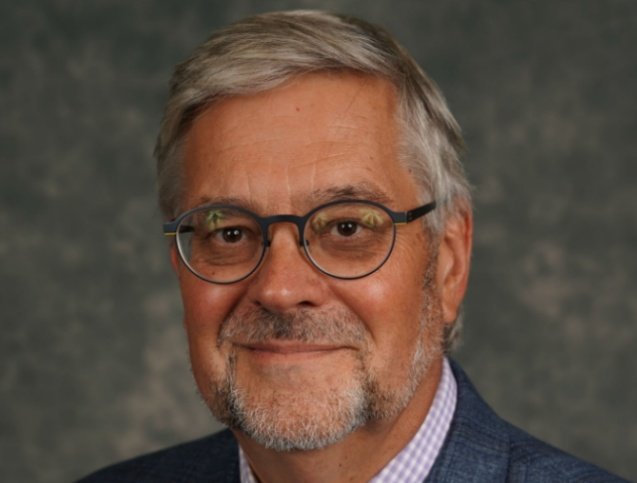
Alexander D. Knysh: Sufism provided a spiritual foundation for the Futuwwa Movement
Alexander Knysh is Professor of Islamic Studies at the University of Michigan, Ann Arbor, USA, and Principal Investigator in the interdisciplinary Program in the Study of Mysticism, Tampere University, Finland. His academic interests include…
-
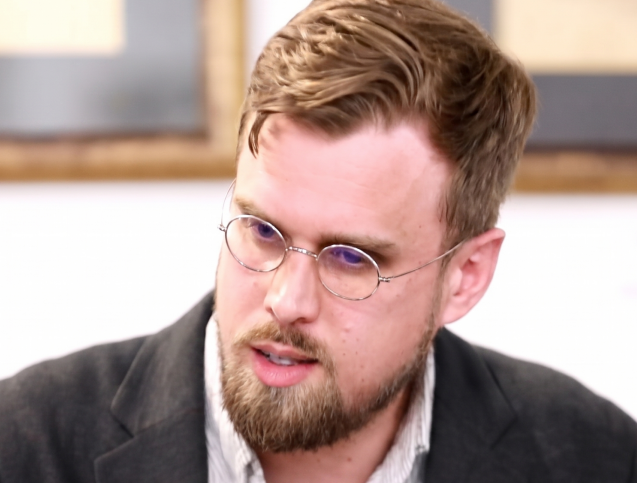
Gregory Vandamme: For Ibn Arabi, there is no ontological distinction between the spiritual and the political
Ibn al-Arabī’s legacy has been reinterpreted in various forms—ranging from political legitimacy to the quest for radical freedom—across a broad spectrum extending from the Ottoman era to modern figures such as Ivan Aguéli and…
-
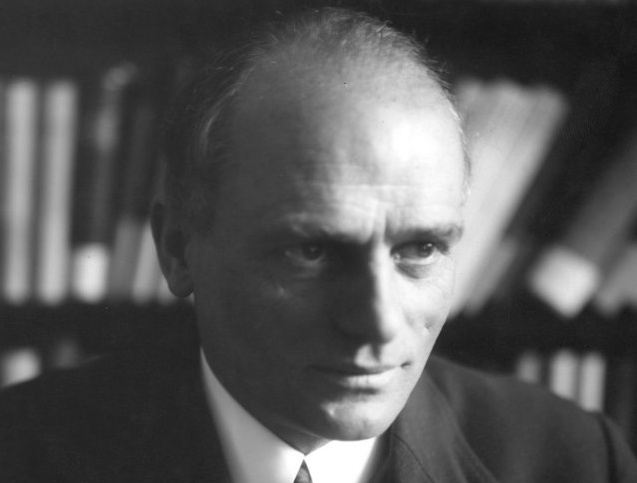
Francesco Ingravalle: Spann’s social philosophy is an ontology of the preservation of the principles of a world that no longer exists and that must be made to exist again
The thought of Othmar Spann, built around anti-individualist universalism and the corporative State (corporatism), constituted — together with the Spannkreis school that formed around his university chair — one of the most original and…
-
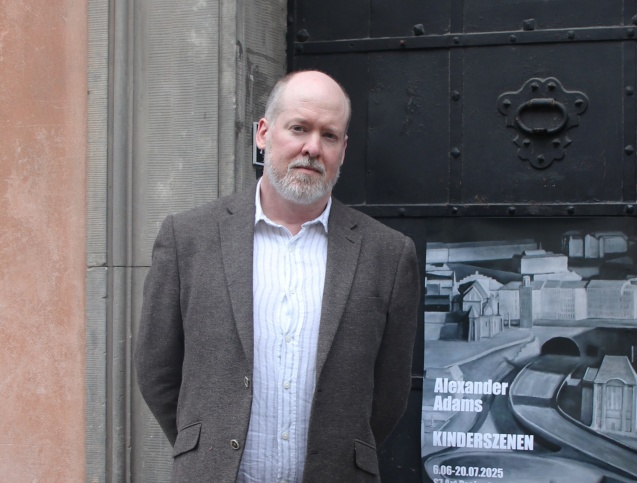
Alexander Adams: The decoupling of the sacred and the artistic – the liquidation of tradition – has left artists unmoored
We spoke with British painter, writer, and critic Alexander Adams about the rootlessness, lawlessness, and aesthetic disintegration that have gripped the contemporary art world. Adams, who has uncompromisingly criticized the intellectual decline of art…
-
Marcello Veneziani: Conservative Revolution in Italy were political spiritualism, heroic voluntarism, and a historical memory reimagined in an era of radical change
The discourse on the Conservative Revolution holds a significant place in Italy’s intellectual history. We spoke with Marcello Veneziani, who penned one of the foundational texts on this current, exploring the trajectory of the…
-
Daniele Velicogna: Nolte’s philosophical historiography is an antidote to the reduction of history to a clash between moral principles—between good and evil, victims and perpetrators
Daniele Velicogna is a graduate of Ca’ Foscari University of Venice. His research interests include history, political philosophy, and geopolitics. He currently works as a teacher within the Italian school system. Ernst Nolte was…
-
Elisa D’annibale: According to Ernst Nolte history becomes the place where philosophy can verify itself
I conducted an interview regarding Ernst Nolte, one of the most controversial yet equally influential historians of the 20th century. As a student of Martin Heidegger, Nolte transitioned from philosophy to history, gaining significant…
-
Birgit Dankert: Michael Ende’s timelessness lies in his masterful blending of contemporary references with traditional literary character prototypes in his characters and plots
Michael Ende is a mythopoetic author whose works and created worlds transcend the boundaries of children’s literature. The legacy he left behind is still waiting to be fully discovered. His deep connection to German…
-
B. R. Teitelbaum: The point that brings Lindbom and the conservative revolutionaries together is their shared skepticism toward liberalism and progressive modernity, along with the belief that society is not advancing but rather in a state of decline
Tage Lindbom is a thinker situated within the Traditionalist school and connected to conservative and right-wing political thought. Although he was not directly part of the Conservative Revolution movement, his political ideas are noteworthy…